The Future of Artificial Intelligence in Society
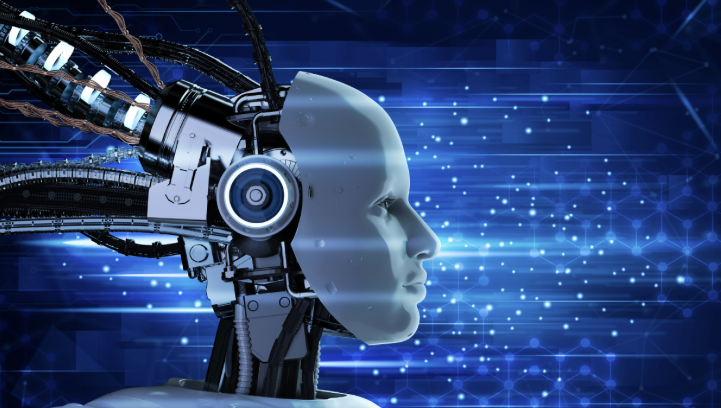
The integration of artificial intelligence into society is poised to redefine numerous sectors, from healthcare to agriculture. This evolution brings forth significant ethical dilemmas and challenges related to accountability and fairness. As technology continues to advance, it raises questions about job displacement and the need for workforce adaptation. The interplay between innovation and societal values remains complex and unresolved, inviting further exploration into how these dynamics will unfold in the coming years.
The Transformative Potential of AI in Various Industries
The transformative potential of artificial intelligence (AI) spans across diverse industries, reshaping traditional practices and driving innovation.
In healthcare innovation, AI enhances diagnostics, while transportation automation optimizes logistics.
Agricultural efficiency improves through data-driven techniques, and financial analysis benefits from predictive algorithms.
Furthermore, AI revolutionizes customer service with personalized interactions and bolsters educational tools, fostering an environment conducive to learning and growth.
Ethical Considerations and Societal Implications
While advancements in artificial intelligence promise significant benefits, they also raise critical ethical considerations and societal implications that demand careful scrutiny.
AI ethics must align with evolving societal norms, necessitating robust accountability frameworks.
Moreover, addressing bias mitigation is essential to ensure fair outcomes.
As AI becomes more integrated into daily life, these considerations will shape its acceptance and impact on society.
See also: Using Technology to Monitor Horse Health
The Impact of AI on Employment and Workforce Dynamics
As artificial intelligence continues to evolve, its integration into various sectors is reshaping employment landscapes and workforce dynamics.
Job displacement remains a significant concern, prompting a pressing need for skill adaptation among workers.
As traditional roles diminish, individuals must embrace continuous learning and reskilling to thrive in an AI-driven economy, ultimately fostering a more agile and innovative workforce capable of navigating future challenges.
Privacy Concerns and the Future of Data Security
With the rapid advancement of artificial intelligence, the landscape of data security faces unprecedented challenges, particularly concerning privacy.
As individuals increasingly demand greater data ownership, effective consent management becomes essential.
Organizations must navigate the delicate balance between leveraging AI capabilities and upholding individual rights, ensuring that personal information is protected while fostering trust in technological innovations critical for future societal progress.
Conclusion
As we navigate the future of artificial intelligence, the adage “with great power comes great responsibility” resonates profoundly. The transformative potential of AI across various sectors must be balanced with ethical considerations and robust data security measures. A proactive approach to workforce dynamics will be essential in addressing job displacement, fostering continuous learning, and ensuring a harmonious integration of technology into society. Ultimately, embracing these challenges will enable a future where AI enriches human experience while upholding core societal values.